Basic Coaching Tips
The key to LPP is to place the seat in an the best horizontal and height position for the technique to be effective. The optimal horizontal position is shown in the image below and it has been tested to provide the necessary muscular and bone mass to efficiently add a large inertial mass to descending leg. Get a plumb bob tool and set up your seat this way. It is extremely important!
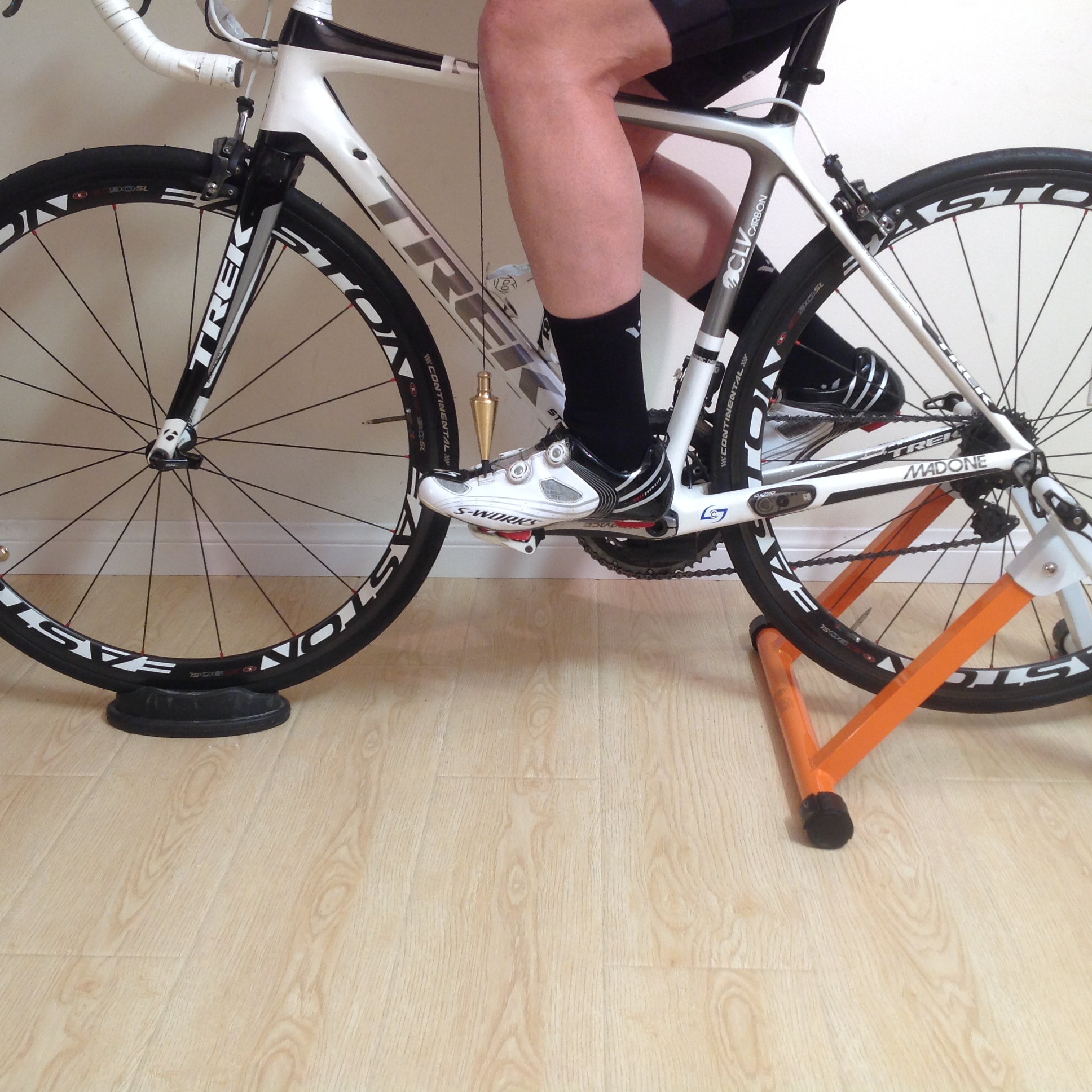
The other critical seat position is its height. This will provide optimal lifting power to your LPP technique. The image below shows my foot position at the bottom of the ark. From that position I start an efficient lift and once the foot gets to the top, I let the leg fall down without applying any downward pressure to it. All my muscular work is totally dedicated to lifting with the necessary strength required to achieve the desired power level.
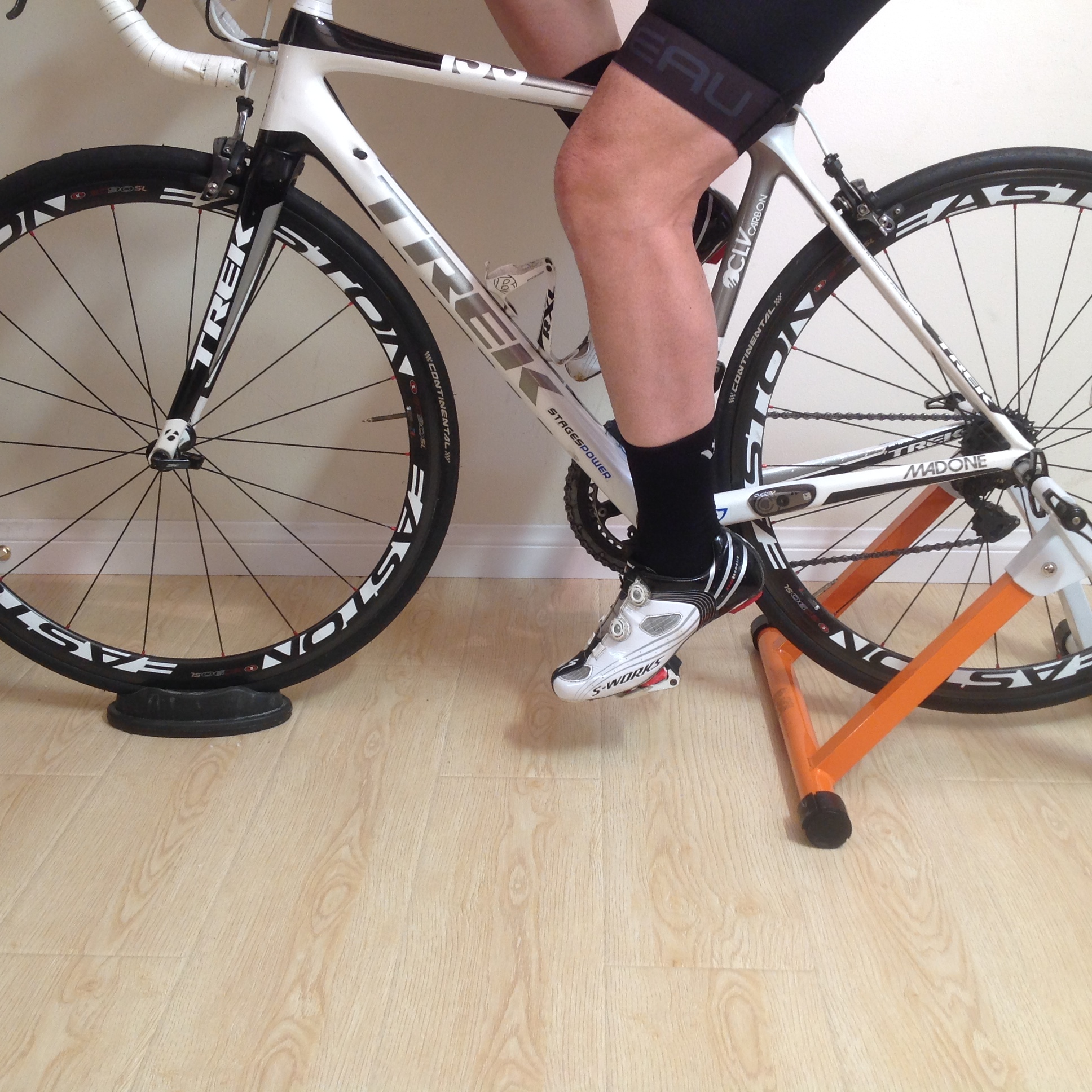
Key coaching tip! THE TOE-DOWN ATTITUDE OF MY FOOT DOES NOT CHANGE AT ANY POINT OF MY PEDALING ARK.
Notice that in this image, the toe-down foot position at the top of the ark is identical to that of the foot at the bottom of the ark. Notice that the position of the tip of the right toe as well as its heel, conform to that of the left toe and heel clearly depicted. Any change in foot attitude means that I’m not pedaling fluidly and/or I’m introducing some muscular force to the descending leg. Such force will make the descending heel go down.
Set up your seat as high as feasible to achieve a comfortable and repeatable toe-down position that you can count on to kick off a strong and effective pull…The higher, the better yet always remembering that you need a slight knee break.
There is one more final equipment adjustment that needs to be made and that is your cleats position.
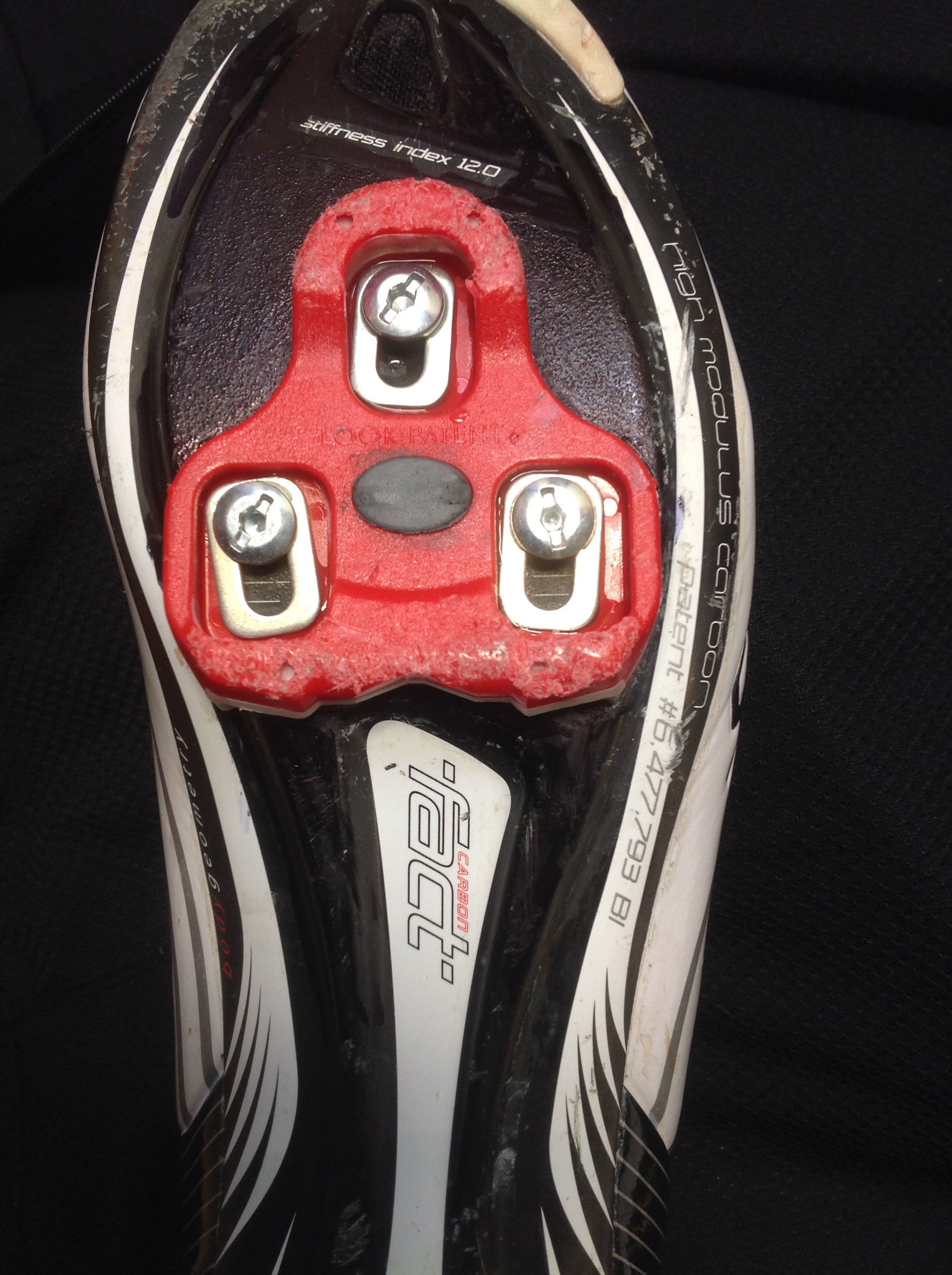
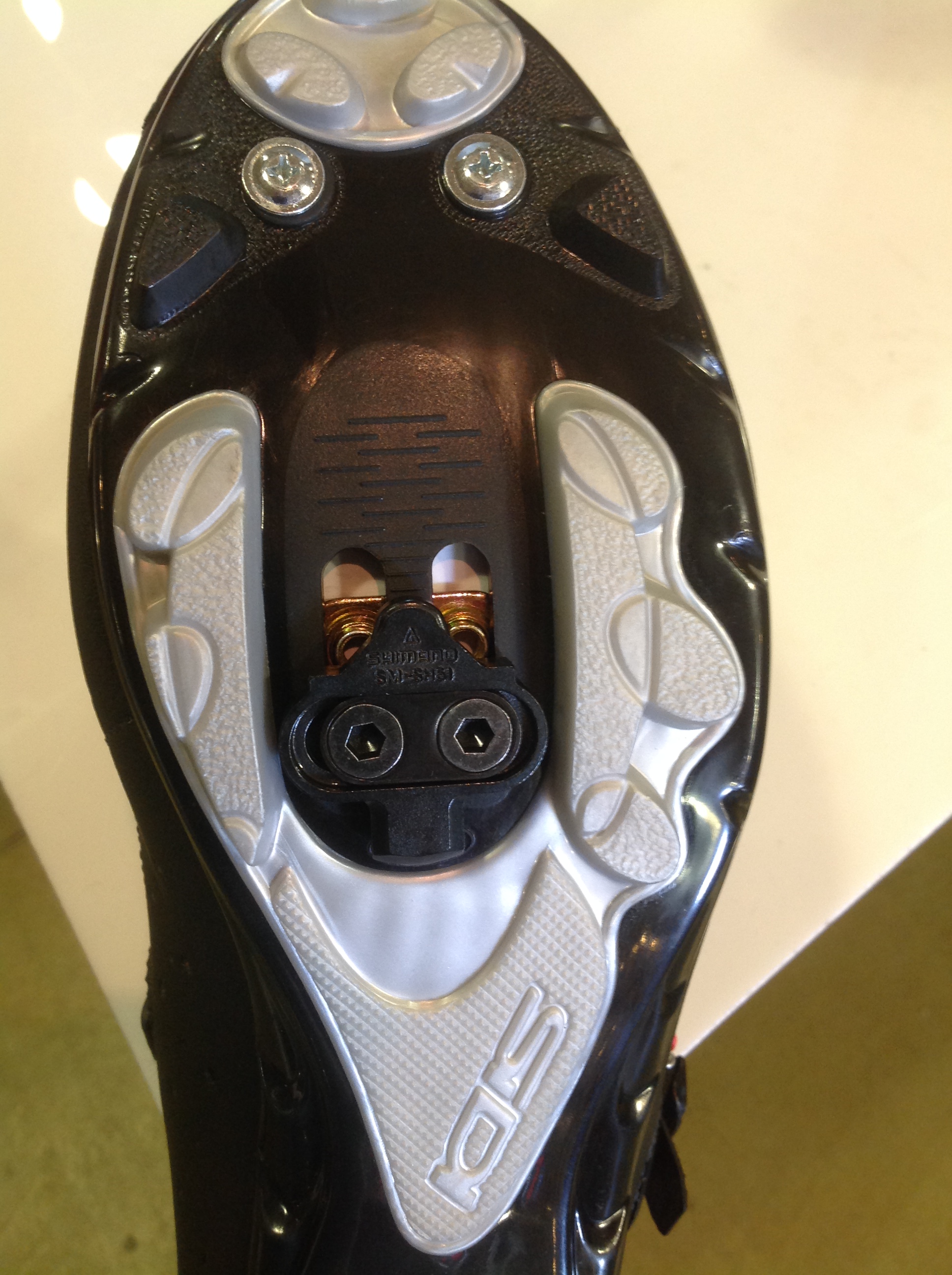
As the images show, for optimal lifting power and consistent toe-down position, the cleats must be moved all the way back. This setup aligns the cleats much better with the leg structure during the lifting process, which is critical to provide power, smoothness and fluidity to it.
LPP Road Training
Now that you have achieved your critical setup, the rest is “on the road” training. Initially, you will find that you have a tendency to push down on the descending pedal. After all, that is what you have been doing all along unless you use the Pro pedaling technique. That is very natural and even Stephane (our testing Pro) found it challenging to eliminate his Pro sweep back. It takes a conscious effort to apply muscular force only when you are lifting and it will take some time to get used to it. The way I did it was by attempting to touch my forearms with my lifting knees. Even if I did not touch them, it got me to do my best possible lifting.
What happens when I get off the saddle?
LPP is an “on the saddle” technique that is easily adaptable to “off the saddle” cycling. When I’m “off the saddle” I continue my LPP lifting process. When I get to the top, I do a slight body shift to put a lot of weight on my descending leg. I do not push down on the descending pedal, I just put the weight of my body on it. It is as simple as that.
How can you get a hold of me to discuss LPP?
If you need to communicate with me, you can email me at joevilella@gmail.com. You are not alone, I’m always available to help! Make sure to title your email as LPP Conversation (your Country).
Example: LPP Conversation (SPAIN).
That way, wherever you are around the world, I’m an email away to help.

